Training operators for a 2 Ton Pallet Stacker is crucial for ensuring safety, efficiency, and the longevity of the equipment. As a supplier of 2 Ton Pallet Stacker, I've seen firsthand how proper training can make a huge difference in a warehouse setting. In this blog post, I'll share some tips and best practices on how to train operators effectively.
Pre - Training Preparation
Before you start training your operators on the 2 Ton Pallet Stacker, there's a bit of groundwork to be done. First off, gather all the necessary documentation. This includes the user manual that came with the stacker, which has all the technical details, safety instructions, and maintenance guidelines. Make sure the operators have access to this manual, either in a printed form or a digital copy on their devices.
Next, assess the operators' existing skills and knowledge. Some might have experience with similar equipment, while others could be complete beginners. This assessment will help you tailor the training program to meet the specific needs of each operator. You can use a simple questionnaire or an in - person interview to gauge their familiarity with pallet stackers and general warehouse operations.
Introduction to the 2 Ton Pallet Stacker
Once you've done the prep work, it's time to introduce the operators to the 2 Ton Pallet Stacker. Start with an overview of the equipment's features and capabilities. Point out things like the load capacity (obviously, it's 2 tons in this case), the lifting height, and the maneuverability of the stacker.
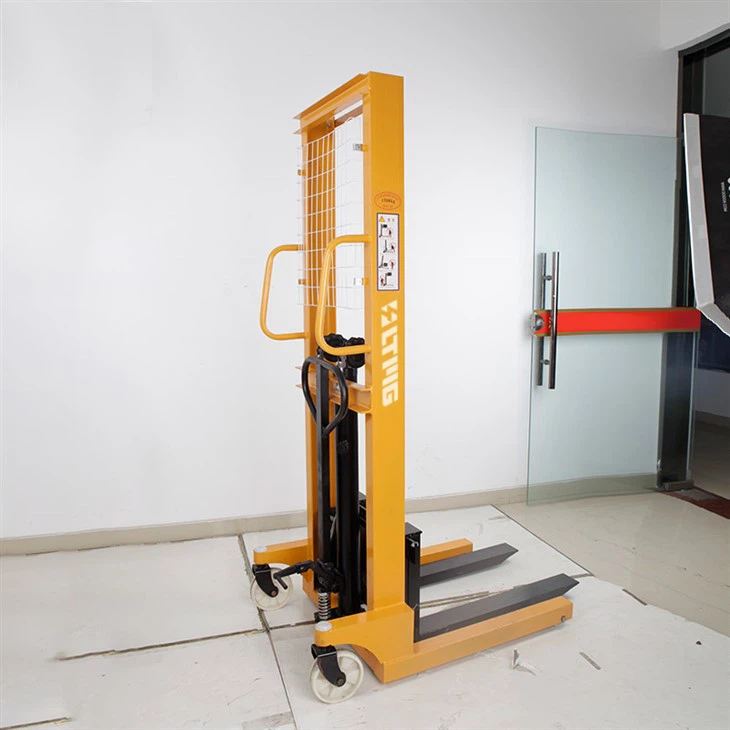
Show them the different parts of the stacker, such as the forks, the mast, the hydraulic pump, and the control levers. Explain what each part does and how they all work together to lift and move pallets. You can use visual aids like diagrams or even take the stacker apart (if it's safe to do so) to give them a better understanding of its internal workings.
Safety Training
Safety should always be the top priority when it comes to operating a 2 Ton Pallet Stacker. Begin the safety training by going over the personal protective equipment (PPE) requirements. This usually includes safety shoes, a hard hat, and high - visibility vests. Make sure the operators understand why each piece of PPE is important and how to wear it correctly.
Teach them about the potential hazards associated with the stacker, such as tipping over, crushing, and falling loads. Explain the safety features of the stacker, like the overload protection system and the emergency stop button. Demonstrate how to use these safety features in case of an emergency.
Cover the proper operating procedures as well. For example, show them how to position the forks correctly under the pallet, how to balance the load, and how to drive the stacker safely around the warehouse. Remind them to always keep a safe distance from other workers and equipment.
Practical Training
After the theoretical part of the training, it's time for some hands - on experience. Start with simple tasks like driving the stacker forward and backward, turning, and stopping in a clear area of the warehouse. Let the operators practice these basic maneuvers until they feel comfortable.
Then, move on to more complex tasks like lifting and lowering pallets. Teach them how to use the hydraulic controls to raise and lower the forks smoothly. Show them how to stack pallets at different heights and how to pick up and place pallets accurately.

Throughout the practical training, provide constant feedback and guidance. Correct any mistakes immediately and praise them when they do something right. It's important to build their confidence as they learn to operate the stacker.
Maintenance Training
Proper maintenance of the 2 Ton Pallet Stacker is essential for its performance and longevity. Teach the operators how to do basic maintenance tasks, such as checking the hydraulic fluid level, inspecting the forks and mast for damage, and lubricating the moving parts.
Show them how to identify signs of wear and tear and when it's time to call for professional maintenance. Explain the importance of regular maintenance in preventing breakdowns and ensuring the safety of the operators.
Advanced Training
Once the operators have mastered the basic skills, you can offer advanced training. This could include training on operating the stacker in different environments, such as narrow aisles or on uneven surfaces. You could also teach them how to troubleshoot common problems that might arise during operation.
Advanced training can also cover topics like load optimization, where the operators learn how to stack pallets in a way that maximizes the use of space in the warehouse.
Certification
After the training is complete, it's a good idea to have the operators certified. Certification not only provides proof that they have received proper training but also gives them a sense of accomplishment. There are various organizations that offer certification programs for pallet stacker operators. Make sure the certification program you choose is recognized in your industry.
Additional Resources
If you want more information on pallet stackers, you can check out Manual Oil Drum Stacker and Manual Hydraulic Hand Pallet Stacker. These resources can provide more in - depth knowledge about different types of stackers.
Conclusion
Training operators for a 2 Ton Pallet Stacker is a multi - step process that requires a combination of theoretical knowledge, practical experience, and ongoing support. By following the steps outlined in this blog post, you can ensure that your operators are well - trained, safe, and efficient.
If you're interested in purchasing a 2 Ton Pallet Stacker or need more information about our training programs, feel free to reach out. We're here to help you make the most of your warehouse operations.
References
- Pallet Stacker Manufacturer's User Manual
- Industry Standards for Pallet Stacker Operation
- Safety Guidelines for Warehouse Equipment