What are the weight limits for telescopic forklift attachments?
Telescopic forklifts, also known as telehandlers, are incredibly versatile pieces of equipment used in a wide range of industries, from construction and agriculture to warehousing and logistics. One of the key aspects that operators and buyers need to understand is the weight limits for the various attachments that can be used with these machines. As a supplier of telescopic forklifts, I am here to shed some light on this important topic.
Understanding the Basics of Weight Limits
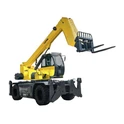
The weight limit of a telescopic forklift attachment is not a fixed number; it depends on several factors. First and foremost, the base machine's capacity plays a crucial role. Different models of telescopic forklifts have different maximum lifting capacities. For example, our 2.5 Ton Telescopic Forklift has a base capacity of 2.5 tons, which sets an upper bound on the weight it can handle, even with attachments.
The reach of the telescopic boom also affects the weight limit. As the boom extends, the forklift's lifting capacity decreases. This is because the longer the boom, the greater the leverage and the more stress it places on the machine. For instance, at a shorter reach, the forklift may be able to lift close to its maximum capacity, but as the boom extends to its full length, the weight it can safely lift may be significantly reduced.
Types of Attachments and Their Weight Limits
There are several common types of telescopic forklift attachments, each with its own weight considerations.
Forks: Forks are the most basic and widely used attachment. They are used for lifting pallets and other heavy objects. The weight limit for forks depends on the forklift's base capacity and the length of the forks. Longer forks may distribute the weight over a larger area, but they can also add to the overall weight of the attachment. Our LTMG Extended Boom Forklift is designed to handle a variety of fork lengths and weights, but it's important to ensure that the combined weight of the forks and the load does not exceed the machine's capacity.


Buckets: Buckets are used for moving materials such as gravel, sand, or soil. The weight of a bucket can vary depending on its size and the material it is made of. A larger bucket will generally be heavier and may reduce the forklift's lifting capacity. When using a bucket attachment, it's essential to consider the weight of the bucket itself and the weight of the material it carries.
Jibs: Jibs are used to extend the forklift's reach. They can be useful for lifting objects at a greater height or distance. However, adding a jib to the forklift reduces its lifting capacity. The weight limit for a jib attachment depends on the length and design of the jib. Our 3.5 Ton Telehandler FT35 can be equipped with a jib, but operators need to be aware of the reduced capacity when using this attachment.
Importance of Adhering to Weight Limits
Adhering to the weight limits of telescopic forklift attachments is crucial for safety and the longevity of the equipment. Overloading a forklift can lead to several problems, including instability, damage to the machine, and even accidents. When a forklift is overloaded, it may tip over, causing serious injury to the operator and damage to the surrounding environment.
In addition to safety concerns, overloading can also cause excessive wear and tear on the forklift's components. This can lead to increased maintenance costs and a shorter lifespan for the machine. By following the weight limits, operators can ensure that the forklift operates efficiently and safely.
Determining the Weight Limits
To determine the weight limits for a specific telescopic forklift attachment, it's important to refer to the manufacturer's specifications. These specifications will provide detailed information about the maximum weight the forklift can handle with different attachments at various reaches. It's also a good idea to consult with a qualified forklift technician or the supplier for guidance.
When using a new attachment, it's recommended to start with a lighter load and gradually increase the weight while monitoring the forklift's performance. This allows operators to get a feel for how the attachment affects the machine's handling and stability.
Conclusion
Understanding the weight limits for telescopic forklift attachments is essential for safe and efficient operation. As a supplier of telescopic forklifts, we are committed to providing our customers with the information and support they need to make informed decisions. Whether you are in the market for a 2.5 Ton Telescopic Forklift, an LTMG Extended Boom Forklift, or a 3.5 Ton Telehandler FT35, we can help you choose the right attachments and ensure that you are using them safely.
If you have any questions about telescopic forklift attachments or their weight limits, or if you are interested in purchasing a telescopic forklift, please do not hesitate to contact us. We are here to assist you with all your forklift needs.
References
-
Manufacturer's manuals for telescopic forklifts
-
Industry standards and guidelines for forklift operation and safety