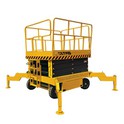
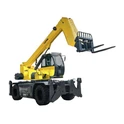
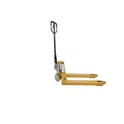
A container handler plays a crucial role in the logistics and shipping industry. As a supplier of container handlers, I have witnessed firsthand the diverse functions and significance of these machines. In this blog, I will delve into the main functions of a container handler and explain how these functions contribute to the efficiency and effectiveness of container operations.
Loading and Unloading Containers
One of the primary functions of a container handler is to load and unload containers from trucks, trains, and ships. This process is essential for the smooth flow of goods in and out of ports, warehouses, and distribution centers. Container handlers are equipped with specialized lifting mechanisms, such as spreaders, that can securely grip and move containers of various sizes and weights.
For example, a Container Handler Forklift is designed to lift and transport containers within a confined space. It is commonly used in warehouses and distribution centers where space is limited. The forklift's forks can be adjusted to fit different container sizes, allowing for efficient loading and unloading operations.
On the other hand, a Container Handler Empty Container Stacker is specifically designed to stack empty containers. It can stack containers up to several levels high, maximizing the use of storage space. This is particularly useful in ports and terminals where large numbers of empty containers need to be stored.
Container Stacking and Storage
In addition to loading and unloading, container handlers are also responsible for stacking and storing containers. This function is crucial for optimizing space utilization and ensuring the safe storage of containers. Container handlers can stack containers in a variety of configurations, depending on the available space and the specific requirements of the operation.
For instance, an 8 Ton Empty Container Handler is capable of handling empty containers with a maximum weight of 8 tons. It can stack these containers in a vertical or horizontal configuration, depending on the storage layout. This flexibility allows for efficient use of space and easy access to containers when needed.
Container Transfer and Transportation
Container handlers are also used for transferring containers between different modes of transportation, such as trucks, trains, and ships. This function is essential for ensuring the seamless movement of goods across different transportation networks. Container handlers can quickly and efficiently transfer containers from one mode of transportation to another, reducing the time and cost associated with container handling.
For example, at a port, a container handler can transfer containers from a ship to a truck or train for further transportation. This process requires precise coordination and maneuvering to ensure the safe and efficient transfer of containers. Container handlers are equipped with advanced control systems and sensors that allow for accurate positioning and movement of containers.
Container Inspection and Maintenance
Another important function of a container handler is to perform container inspection and maintenance. This function is crucial for ensuring the safety and integrity of containers during transportation and storage. Container handlers can inspect containers for damage, leaks, and other issues, and perform necessary repairs and maintenance as needed.
For instance, a container handler can use specialized equipment, such as X-ray scanners and ultrasonic testing devices, to inspect containers for hidden damage. It can also perform routine maintenance tasks, such as lubrication, cleaning, and tightening of bolts, to ensure the proper functioning of containers.
Container Inventory Management
Container handlers are also used for container inventory management. This function involves tracking the movement and location of containers within a facility or a transportation network. Container handlers can use barcode scanners, RFID tags, and other technologies to monitor the status and location of containers in real-time.
For example, a container handler can scan the barcode on a container to record its entry and exit from a facility. It can also update the inventory database with the container's current location and status. This information can be used to optimize container storage, reduce the risk of lost or misplaced containers, and improve overall operational efficiency.


Conclusion
In conclusion, a container handler plays a vital role in the logistics and shipping industry. Its main functions include loading and unloading containers, stacking and storing containers, transferring and transporting containers, inspecting and maintaining containers, and managing container inventory. These functions are essential for ensuring the efficient and effective movement of goods in and out of ports, warehouses, and distribution centers.
As a supplier of container handlers, we are committed to providing high-quality products and services that meet the needs of our customers. Our container handlers are designed to be reliable, efficient, and easy to operate. We also offer comprehensive after-sales support, including maintenance, repair, and training services.
If you are interested in purchasing a container handler or need more information about our products and services, please contact us for a free consultation. We look forward to working with you to meet your container handling needs.
References
- "Container Handling Equipment: Types and Applications." Logistics Management, [Date of Publication].
- "The Role of Container Handlers in the Shipping Industry." Maritime Executive, [Date of Publication].
- "Container Inventory Management Best Practices." Supply Chain Digest, [Date of Publication].