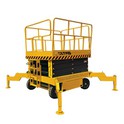
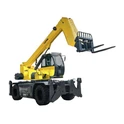
Port machines play a crucial role in the smooth operation of ports worldwide. As a reputable port machine supplier, I have witnessed firsthand the diverse range of equipment required to handle the various tasks involved in port operations. In this blog post, I will explore the different types of port machines available, highlighting their features, applications, and benefits.
Container Handling Machines
Container handling is one of the most critical operations in a port. These machines are designed to efficiently load, unload, and transport containers between ships, trucks, and storage areas.
Container Cranes
Container cranes are the most iconic port machines, towering over the docks and handling large volumes of containers. There are two main types of container cranes:
- Quay Cranes: Also known as ship-to-shore cranes, quay cranes are located along the quay wall and are used to load and unload containers from ships. They have a large outreach and can lift heavy containers to great heights. Quay cranes are typically operated by skilled crane operators and are essential for the efficient transfer of containers between ships and the port.
- Gantry Cranes: Gantry cranes are used for container stacking and storage within the port. They are mounted on rails and can move horizontally along the storage yard. Gantry cranes are available in different sizes and configurations, including rubber-tired gantry cranes (RTGs) and rail-mounted gantry cranes (RMGs). RTGs are more flexible and can be easily relocated, while RMGs are more suitable for large-scale container terminals.
Container Handlers
Container handlers are versatile machines used for the handling of containers within the port. They are designed to lift, stack, and transport containers of various sizes and weights. There are several types of container handlers available, including:
- 8 Ton Empty Container Handler: This type of container handler is specifically designed for the handling of empty containers. It has a lifting capacity of up to 8 tons and is equipped with a telescopic boom and a spreader for efficient container handling.
- 45 Ton Reach Stacker: Reach stackers are powerful machines used for the stacking and handling of full containers. They have a lifting capacity of up to 45 tons and can reach multiple rows of containers. Reach stackers are highly maneuverable and can operate in tight spaces, making them ideal for container terminals with limited space.
- Container Handler Forklift: Container handler forklifts are similar to traditional forklifts but are specifically designed for the handling of containers. They are equipped with a special attachment, such as a spreader or a fork, for the lifting and handling of containers. Container handler forklifts are suitable for small to medium-sized ports and can be used for a variety of container handling tasks.
Bulk Handling Machines
Bulk handling is another important operation in a port, involving the handling of dry bulk materials such as coal, grain, and ore. These machines are designed to efficiently load, unload, and transport bulk materials between ships, trucks, and storage areas.
Bulk Cranes
Bulk cranes are used for the loading and unloading of bulk materials from ships. They are similar to container cranes but are equipped with a special grab or bucket for the handling of bulk materials. Bulk cranes are available in different sizes and configurations, including ship-mounted cranes and shore-based cranes.
Belt Conveyors
Belt conveyors are widely used for the transportation of bulk materials within the port. They are a cost-effective and efficient way to move large volumes of materials over long distances. Belt conveyors can be installed horizontally, vertically, or at an incline, depending on the layout of the port.
Bucket Elevators
Bucket elevators are used for the vertical transportation of bulk materials. They consist of a series of buckets attached to a chain or belt and are used to lift materials from a lower level to a higher level. Bucket elevators are commonly used in grain terminals and other bulk handling facilities.
Liquid Handling Machines
Liquid handling is an important operation in ports that handle liquid cargoes such as oil, chemicals, and liquefied natural gas (LNG). These machines are designed to safely and efficiently load, unload, and store liquid cargoes.
Tankers
Tankers are specialized ships used for the transportation of liquid cargoes. They are equipped with tanks and pipelines for the storage and transfer of liquids. Tankers come in different sizes and configurations, including crude oil tankers, product tankers, and LNG tankers.
Loading Arms
Loading arms are used for the transfer of liquid cargoes between tankers and storage facilities. They are flexible pipes that can be connected to the tanker's cargo tanks and the storage tanks onshore. Loading arms are designed to ensure a safe and efficient transfer of liquids, minimizing the risk of spills and leaks.
Storage Tanks
Storage tanks are used for the storage of liquid cargoes within the port. They are available in different sizes and configurations, including above-ground tanks and underground tanks. Storage tanks are designed to meet strict safety and environmental regulations and are equipped with features such as level sensors, pressure relief valves, and fire protection systems.
Terminal Tractors
Terminal tractors, also known as yard tractors or shuttle tractors, are used for the movement of trailers and containers within the port. They are designed to tow trailers and containers over short distances and are commonly used in container terminals, distribution centers, and intermodal yards.


Terminal tractors are available in different sizes and configurations, including diesel-powered tractors and electric-powered tractors. Electric-powered tractors are becoming increasingly popular due to their lower emissions and operating costs.
Conclusion
In conclusion, there is a wide range of port machines available to meet the diverse needs of port operations. From container handling machines to bulk handling machines, liquid handling machines, and terminal tractors, each type of machine plays a crucial role in the efficient and safe operation of ports.
As a port machine supplier, I understand the importance of providing high-quality equipment that meets the specific requirements of each port. Whether you are looking for a new container crane, a bulk handling system, or a liquid handling solution, I can help you find the right machine for your needs.
If you are interested in learning more about our port machines or would like to discuss your specific requirements, please feel free to contact me. I would be happy to provide you with more information and assist you in making the right choice for your port.
References
- "Port Equipment and Technology" by John Smith
- "Container Terminal Operations" by Jane Doe
- "Bulk Materials Handling" by David Johnson