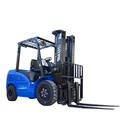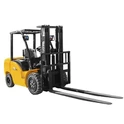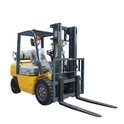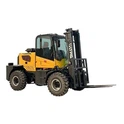
When discussing whether forklift propane tanks can be used for heaters, it is essential first to recognize that although forklift propane tanks and heater propane tanks contain the same type of gas, they differ significantly in design standards, safety regulations, and usage environments. Therefore, it is generally not recommended to use forklift propane tanks for heaters. This article will delve into the differences between forklift and heater propane tanks and explain why using forklift propane tanks for heaters is not advised.
Let's first understand the primary uses and features of forklift propane tanks:
- Powering Forklifts: These tanks provide fuel to drive forklifts for handling and stacking operations.
- Portability: They are easy to replace, minimizing downtime.
- Environmentally Friendly: Propane burns cleanly, emitting fewer pollutants.
- Cost-Effective: In some cases, using propane can be more cost-efficient.
- Versatility: Suitable for indoor and outdoor use in various weather conditions.
- Safety: Equipped with safety valves and other features to reduce risk.
- Easy Maintenance: Simple, low-cost upkeep.
- High Adaptability: Suitable for various working conditions and load requirements.
Looking for a High-Efficiency LPG Power Solution?
LTMG's LPG & Dual Fuel forklifts are engineered for maximum safety and optimized fuel consumption.
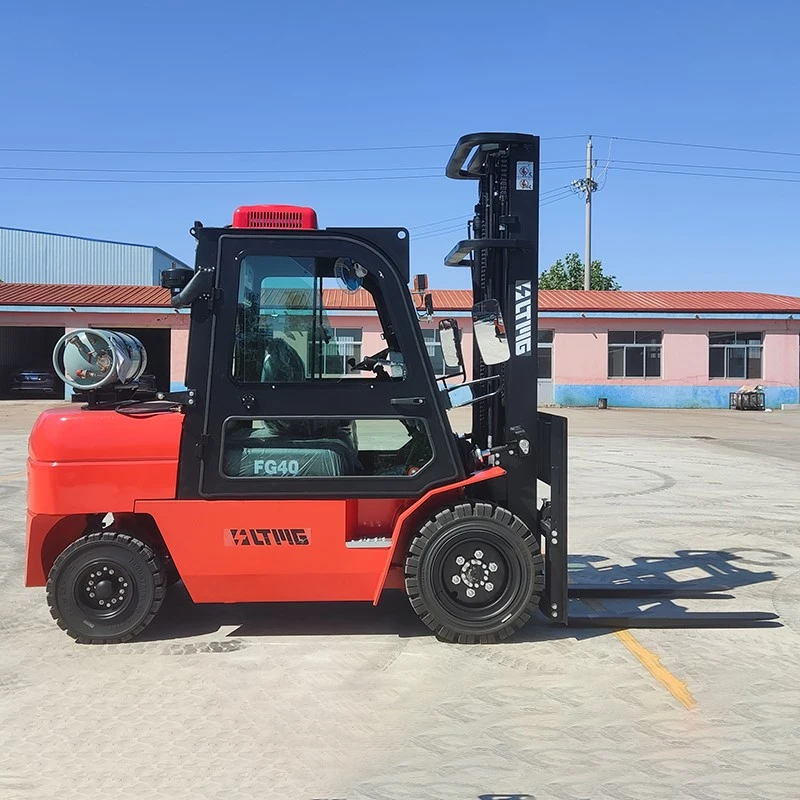
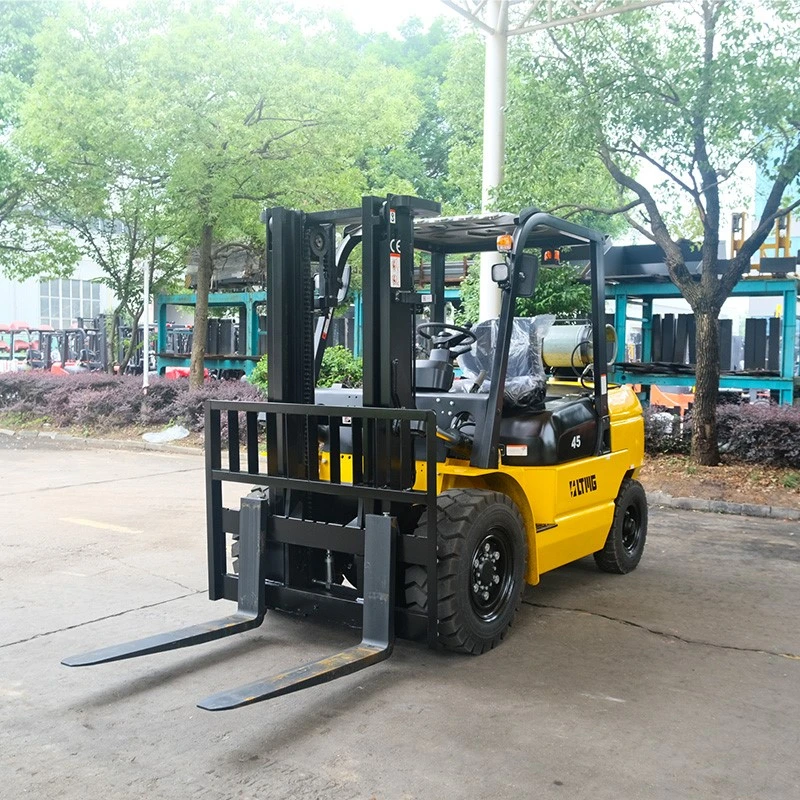
Differences Between Forklift Propane Tanks and Regular Propane Tanks
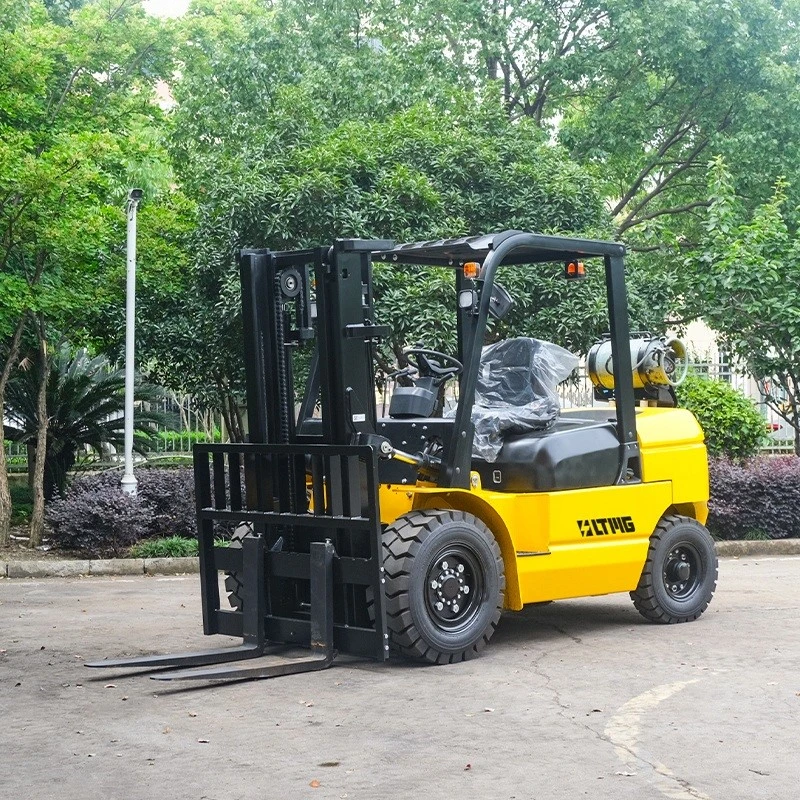
Forklift propane tanks and regular propane tanks differ mainly in their design and purpose. Forklift propane tanks are specifically designed to be mounted on forklifts, with special fixtures or brackets to ensure stability and safety during movement and operation. They typically have smaller capacities to match forklift size and mobility needs.
Regular propane tanks, on the other hand, are more commonly used for fixed installations, such as at gas stations, industrial facilities, or residential use. They are designed for long-term stability and safety, with a broader capacity range to meet various application needs, such as supplying industrial equipment or large heating systems.
In summary, forklift propane tanks prioritize mobility and operational safety, while regular propane tanks are better suited to a wider range of fixed installations and higher-capacity needs.

Reasons Why Forklift Propane Tanks Are Not Recommended for Heaters
Connector Compatibility:
Forklift Propane Tanks: Typically have connectors that match the fuel systems on forklifts. These connectors may not be compatible with heater interfaces.
Heaters: Standard propane tanks used with heaters typically have connectors and regulators designed to ensure a safe, stable gas supply.
Pressure and Flow Control:
Forklift Propane Tanks: The pressure regulation systems are designed for forklift engines, which typically require higher pressure and different flow controls to meet engine operating needs.
Heaters: Have different requirements for propane gas pressure and flow. Incorrect pressure or flow can lead to incomplete combustion, equipment damage, and severe safety issues, such as fires or explosions.
Safety Standards and Regulations:
Forklift Propane Tanks: Designed and manufactured to meet specific industrial safety standards, ensuring safe forklift operation.
Heater Propane Tanks: Must comply with safety standards for residential or commercial use, which typically include features to prevent leaks, explosions, and other risks. These standards can vary significantly between different types of equipment.
LTMG's Propane-Powered Forklifts are equipped with reinforced tank brackets and high-standard safety relief valves that meet international safety certifications. If you are upgrading your fleet, choosing a machine with a factory-integrated LPG system is always safer than DIY modifications.
Physical Placement and Operation:
Forklift Propane Tanks: Typically installed horizontally on forklifts, they are designed to ensure stability during movement and vibration.
Heater Propane Tanks: Generally placed vertically to ensure proper gas flow and a stable supply. Placing forklift propane tanks vertically can affect the internal gas flow and output.
Lifespan and Maintenance:
Forklift Propane Tanks: Designed for frequent use in industrial environments, with different durability and maintenance requirements compared to heater propane tanks.
Heater Propane Tanks: Designed for residential or commercial use, with maintenance and replacement requirements focused on long-term stability and less frequent use.
Potential Risks:
(1) Fire and Explosion:
Mismatched equipment and fuel system connections can cause propane leaks, increasing the risk of fire and explosion. Propane is highly flammable, and any leak in the system could result in a catastrophic fire or explosion, especially in enclosed spaces. Improperly secured connections or incompatible fittings can exacerbate this risk.
(2) Carbon Monoxide Poisoning:
Incorrect pressure and flow can lead to incomplete combustion, producing carbon monoxide (CO) instead of carbon dioxide (CO2). Carbon monoxide is a colorless, odorless gas that is extremely dangerous and can be fatal at high concentrations. Without proper ventilation, the accumulation of CO can pose serious health risks to people nearby.
(3) Equipment Damage:
Mismatched pressure and flow can cause excessive wear or damage to heater components, affecting their lifespan and performance. Over time, using inappropriate tanks can cause malfunction of safety valves, regulators, and other critical components, potentially leading to hazardous situations.
(4) Regulatory and Legal Issues:
Using equipment in a manner not intended by the manufacturer can violate safety regulations and industry standards. This can lead to legal liability in the event of an accident, and insurance policies may not cover damages caused by improper equipment use. Adhering to the correct usage guidelines ensures compliance with safety laws and regulations, protecting both the user and the organization from legal repercussions.

Therefore, while it might be tempting to use forklift propane tanks with heaters temporarily in emergencies due to their availability and convenience, this practice is not advisable for long-term use. The design specifications and safety features of forklift propane tanks are tailored to the operational requirements of forklifts, which differ significantly from those of heaters.
For safety and regulatory compliance, it is crucial to use propane tanks specifically designed and certified for use with heaters. These tanks have been rigorously tested and meet stringent safety standards, ensuring a consistent, safe fuel supply for heating applications. They are equipped with the correct pressure regulators, flow-control mechanisms, and safety valves essential for the stable and efficient operation of heaters.
Using the correct type of propane tank not only ensures the heater functions properly and efficiently but also significantly reduces the risk of accidents. This includes the risk of propane leaks, which could lead to fires or explosions, and the risk of carbon monoxide poisoning from incomplete combustion. Additionally, using the appropriate equipment mitigates the risk of damage to the heater, extending its lifespan and maintaining its performance.
Furthermore, adhering to the recommended usage guidelines helps ensure compliance with local and national safety regulations. This compliance is vital because failure to use the appropriate equipment can result in legal liabilities, especially if an accident occurs. Insurance policies might also be voided if improper equipment use is found to be the cause of an incident, resulting in substantial financial and legal consequences.
In summary, investing in and using propane tanks that are specifically designed for heaters is the best practice for both immediate and long-term safety. It safeguards individuals' health and well-being, ensures the reliability and longevity of heating equipment, and protects users from potential legal and financial risks associated with improper use.