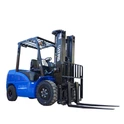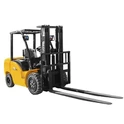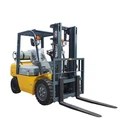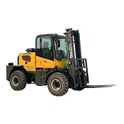
Using the correct propane tank is crucial for the safety and efficiency of your equipment. When it comes to forklifts, many people may wonder if they can use a regular propane tank. While it may seem convenient, it is not recommended to use a regular propane tank on a forklift due to safety and functionality concerns. The correct propane tank not only ensures the proper operation of the forklift but also avoids potential safety hazards. This article will explore the differences between regular propane tanks and forklift propane tanks, explain the risks of using a regular propane tank, and highlight the importance of choosing the right propane tank.

Types of Propane Tanks
Propane tanks come in various designs, each tailored for specific uses. Regular propane tanks are commonly used for grills, patio heaters, and other household or recreational equipment. In contrast, forklift propane tanks are designed for industrial use, meeting the high-pressure demands of forklift systems.
Regular propane tanks are typically used in home environments and are designed for low-pressure vapor withdrawal. Forklift propane tanks, however, support high-pressure liquid withdrawal, which is essential for forklift operation.
Usage Scenarios
Regular propane tanks are suitable for outdoor grills, small heaters, and camping equipment, while forklift propane tanks are crucial for powering forklifts and other heavy machinery in warehouses and industrial settings. The differences in design and function make each type of tank ideal for its respective application.
Design Differences
One of the main differences between regular propane tanks and forklift propane tanks is the method of propane extraction. Forklift tanks are designed for liquid propane withdrawal, featuring an internal tube that extends to the bottom of the tank to draw liquid propane. This design ensures that forklifts receive a consistent supply of liquid propane necessary for their high-pressure systems. The liquid withdrawal mechanism is crucial for the forklift's performance, as it provides the necessary energy to power the engine and hydraulic systems.
Regular tanks, on the other hand, are designed for vapor withdrawal, relying on the evaporation of propane at the surface of the liquid inside the tank. This method is sufficient for low-pressure applications where the demand for propane is less intense. The vapor withdrawal design is simple and effective for household uses, but inadequate for the high demands of industrial equipment.


Pressure and Fittings
Forklift propane tanks operate at high pressure (around 240 psi) and are equipped with specific fittings to ensure safe liquid withdrawal. Regular propane tanks are designed for low-pressure (3-6 psi) applications and have different fittings that are not suitable for high-pressure liquid withdrawal. These differences make using a regular propane tank on a forklift impractical and dangerous.
Safety Issues
Using a regular propane tank on a forklift can lead to several safety problems. Improper pressure management is a major hazard, as regular tanks are not designed to handle the high pressure required by forklifts, potentially leading to leaks and explosions. The high-pressure environment of a forklift demands a tank designed to withstand such conditions, and using a regular tank compromises this safety requirement.
Additionally, the fittings on regular propane tanks differ from those on forklift tanks, which can result in improper connections and increased risk of gas leaks. Mismatched fittings may not form a secure seal, allowing propane to escape and creating a significant fire and explosion hazard. The potential for leaks and improper connections underscores the importance of using the correct type of tank for forklifts.
Regulatory Standards
Various safety standards and regulations exist to ensure the proper use of propane tanks. Using the wrong type of tank may violate these regulations, leading to fines or invalidating insurance coverage. These regulations are in place to protect operators and the surrounding environment.

Practical Considerations
Switching from a regular propane tank to a forklift tank involves overcoming several practical challenges. The fittings and connectors on regular propane tanks are not compatible with forklifts, making it difficult to ensure a safe and functional connection. This incompatibility can lead to operational issues and increased risk of accidents.
Additionally, regular tanks cannot reliably supply the liquid propane needed for forklift operation, potentially causing engine damage and operational risks. Forklifts require a steady and high-pressure supply of propane, which regular tanks cannot provide. This can result in inconsistent performance, engine strain, and potential damage to the forklift's components.
Cost Implications
Using the wrong type of tank can damage forklift engines and other components, leading to expensive repairs. Moreover, non-compliance with safety regulations can result in hefty fines. To avoid these financial and safety risks, it is essential to always use the correct type of propane tank for your equipment.
Alternatives and Recommendations
To ensure safety and efficiency, always use the correct type of propane tank for your equipment. Forklifts should use designated forklift propane tanks, while regular propane tanks should only be used for their intended household applications. This distinction ensures that each type of tank is used in the environment it was designed for, maintaining safety and functionality.
Regularly inspect propane tanks and fittings for damage or wear, and consult professionals if you are unsure. Routine inspections can identify potential issues before they become serious problems, ensuring that the tanks and fittings are in good condition. If there is any doubt about the suitability of a propane tank, seeking professional advice can prevent accidents and ensure compliance with safety standards.
Using the correct propane tank is crucial for safety and equipment longevity. Due to significant design and functional differences, regular propane tanks are not suitable for forklifts. Always prioritize safety and compliance by using the appropriate type of tank for the job.
Safety should always come first when handling propane tanks. Understanding the differences between regular propane tanks and forklift propane tanks can prevent accidents and ensure the smooth operation of your equipment. For more information on propane tank safety and usage, consult professionals and always adhere to safety regulations. Remember, using the correct tank can save lives and prevent costly losses.

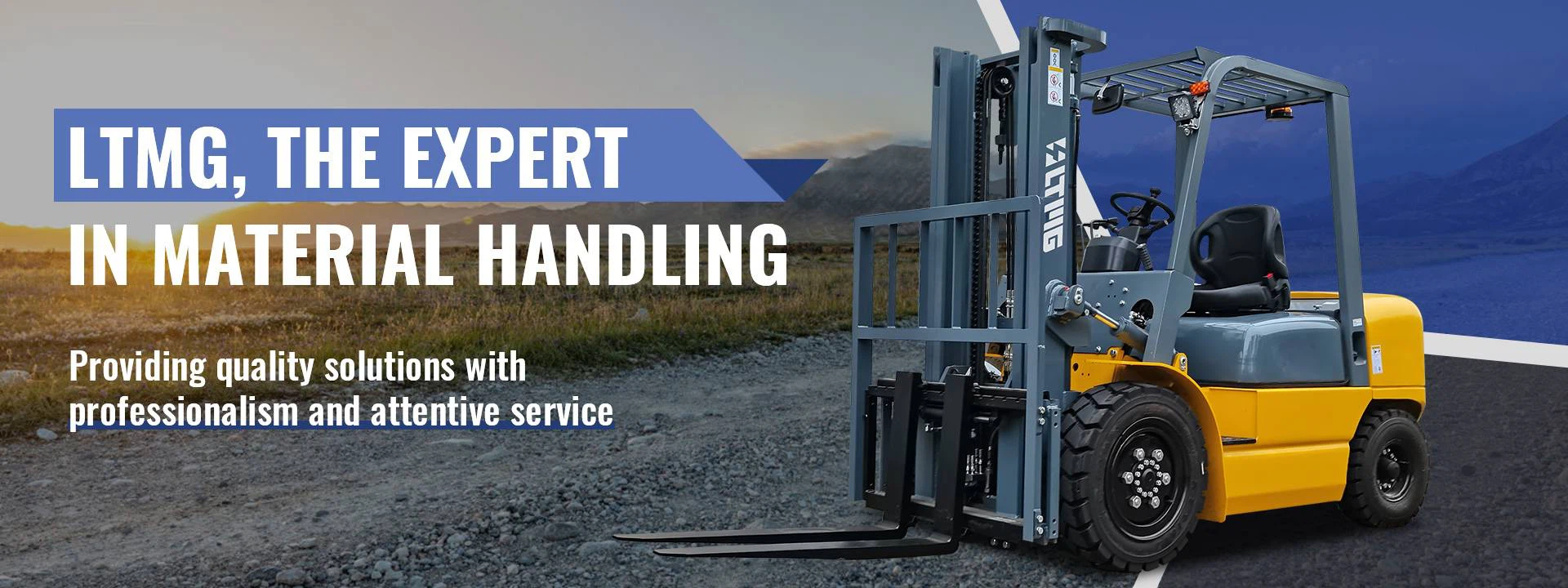
Looking for a reliable LPG Forklift built for safety? Check out LTMG's latest series
📮Email: market@ltmg.com
📞WhatsApp/Wechat:+86 19559207570