As container throughput continues to rise and terminal yards face tighter spatial constraints, port operators share a common challenge: how to achieve higher turn-around efficiency in limited spaces using fewer machines?
For mid-to-small ports, inland container depots (ICD), and intermodal hubs, the container reach stacker has become an essential asset for boosting yard flexibility. However, with numerous models, varying capacities, telescopic boom lengths, and stacking capabilities on the market, selecting the wrong machine leads not only to wasted capital expenditure (CapEx) but can also disrupt the operational rhythm of the entire terminal.
This guide outlines the core benefits, key evaluation criteria, and critical factors to help procurement managers make an accurate investment decision.

Why Reach Stackers Are Critical to Port Operations
1. Boosting Terminal Efficiency
A container reach stacker integrates lifting, transport, and stacking into a single machine. By handling the complete workflow-transferring containers between trucks and storage areas or within the yard-it eliminates the need for extra handovers between mobile cranes and stackers. Unlike rail-mounted gantry cranes (RMGs), reach stackers operate freely across the terminal, significantly reducing cycle times per container. This makes them ideal for terminals experiencing fluctuating volumes or unpredictable cargo flows.
2. Maximizing Vertical Yard Capacity
Mainstream reach stackers can stack fully loaded containers 4 to 5 layers high. This high-density vertical stacking allows terminals to store significantly more TEUs within the same footprint. For coastal ports and inland hubs facing high land costs or space limitations, vertical stacking directly dictates operational capacity.
3. Flexible Intermodal Operations
The telescopic boom design enables reach stackers to handle both empty and laden containers, manage internal yard shifts, and handle road transport loading/unloading seamlessly. This versatile multi-use capability offers flexibility in complex environments, including breakbulk handling and intermodal rail terminals.
4. Lower Total Cost of Ownership (TCO)
Unlike gantry cranes, which require heavy infrastructure investments and fixed rail installation, reach stackers require no dedicated rails. They feature shorter delivery cycles and flexible deployment options. As a result, the Total Cost of Ownership per unit of throughput is significantly lower, making them an ideal choice for expanding terminals not ready for heavy infrastructure investments.
What Factors Impact Reach Stacker Throughput?
A reach stacker's actual operational efficiency depends on more than just its maximum rated lifting capacity. Key parameters include:
- Rated Capacity & Load Center Chart:A reach stacker's lifting capacity decreases at higher stacking rows and tiers. Buyers must evaluate the laden load chart across rows rather than focusing solely on the maximum rated capacity.
- Boom Response & Cycle Time: The responsiveness of the hydraulic system, combined with boom extension and rotation efficiency, directly dictates the handling cycle time per container.
- Cabin Ergonomics & Operator Visibility: High-position cabins with reduced blind spots and advanced positioning aids (such as automatic container identification and anti-sway technology) improve precision and speed.
- Yard Pavement Conditions: Due to high machine weight and axle loads, uneven or low-strength pavement restricts travel speed and maneuverability, slowing overall productivity.
- Container Mix Ratios: Frequent adjustments required when mixing 20ft, 40ft, and 45ft containers affect continuous operation speed.
- Operator Skill & Fleet Management: Equipment hardware performs best when paired with trained operators and intelligent yard management systems (YMS).
Key Steps to Selecting the Right Container Reach Stacker
1. Evaluate Stacking & Weight Requirements
First, clarify your primary container mix (empty vs. laden ratio, 20ft vs. 40ft proportion) and daily throughput goals. Reach stackers generally fall into three capacity categories:
|
Capacity Category |
Typical Rated Lift Capacity (1st Row) |
Recommended Applications |
|
Light-Duty |
10–25 Tonnes |
Empty container depots, small inland yards |
|
Medium-Duty |
31–41 Tonnes |
General cargo ports, intermodal transport hubs |
|
Heavy-Duty |
45 Tonnes and above |
Major maritime terminals, heavy laden container operations |
2. Determine Working Radius & Travel Distance
Work distance influences the choice of telescopic boom length and wheel base. Repositioning containers within narrow stacks requires less boom reach, whereas cross-terminal transport and container-on-chassis loading demand a longer reach radius and faster travel speeds. Ensure the yard's aisle widths accommodate the machine's minimum turning radius.
3. Match Machine to Yard Layout
Container row orientation (longitudinal vs. lateral), aisle clearances, and ground load-bearing capacities govern machine fit. Compact reach stackers with smaller turning radiuses suit older, dense yards. For new terminal projects, selecting equipment early allows for synchronized optimization between equipment specs and yard layout.
4. Assess Maintenance Costs & Service Life
As heavy-duty handling equipment, reach stackers operate under high load and high frequency. Focus on these factors during evaluation:
- Reliability of the engine and hydraulic components, along with regional spare parts availability.
- Design life and structural durability of key components (telescopic boom, chassis, spreader, and tires).
- Manufacturer warranty coverage and remote diagnostic options.
- Local availability of fast-moving spare parts to minimize unplanned downtime.
Reach Stackers vs. Other Port Equipment
Reach Stacker vs. Heavy-Duty Forklift
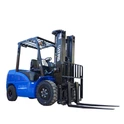
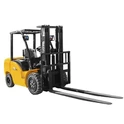
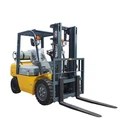
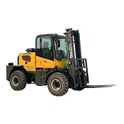
Heavy-duty forklifts feature lower initial acquisition costs and simple controls, making them suitable for low-volume empty or light-load container handling. However, heavy forklifts offer lower stacking heights and limited reach flexibility. For growing terminals handling heavy containers, reach stackers deliver better long-term efficiency and land utilization.
Reach Stacker vs. Empty Container Handler
Empty container handlers (ECH) are specialized for empty container stacking and can reach 6 tiers or higher. However, they lack the capability to lift fully laden containers. While empty container handlers provide high cost-efficiency for dedicated empty container yards, reach stackers remain the complete solution for mixed container operations requiring flexible load capacities.
Best Practices for Reach Stacker Maintenance
- Implement Regular Inspections: Routinely check hydraulic seals, brake systems, tire wear, and boom welds to catch small issues before they cause costly downtime.
- Standardize Operator Training: Precise container positioning and speed control extend structural and component service life.
- Ensure Environmental Compliance: Check local emissions standards (e.g., EU Stage V, US EPA Tier 4) before purchasing, as coastal terminals and export markets face strict environmental regulations.
- Maintain Critical Spare Parts Inventory: Keep high-frequency replacement parts (seals, filters, wear pads) on hand to speed up repair turnaround times.
- Adopt Telematics & Fleet Monitoring: Use remote monitoring systems to track machine status, fuel consumption, and fault codes in real time to optimize preventative maintenance schedule.
Optimize Your Terminal Operations with LTMG
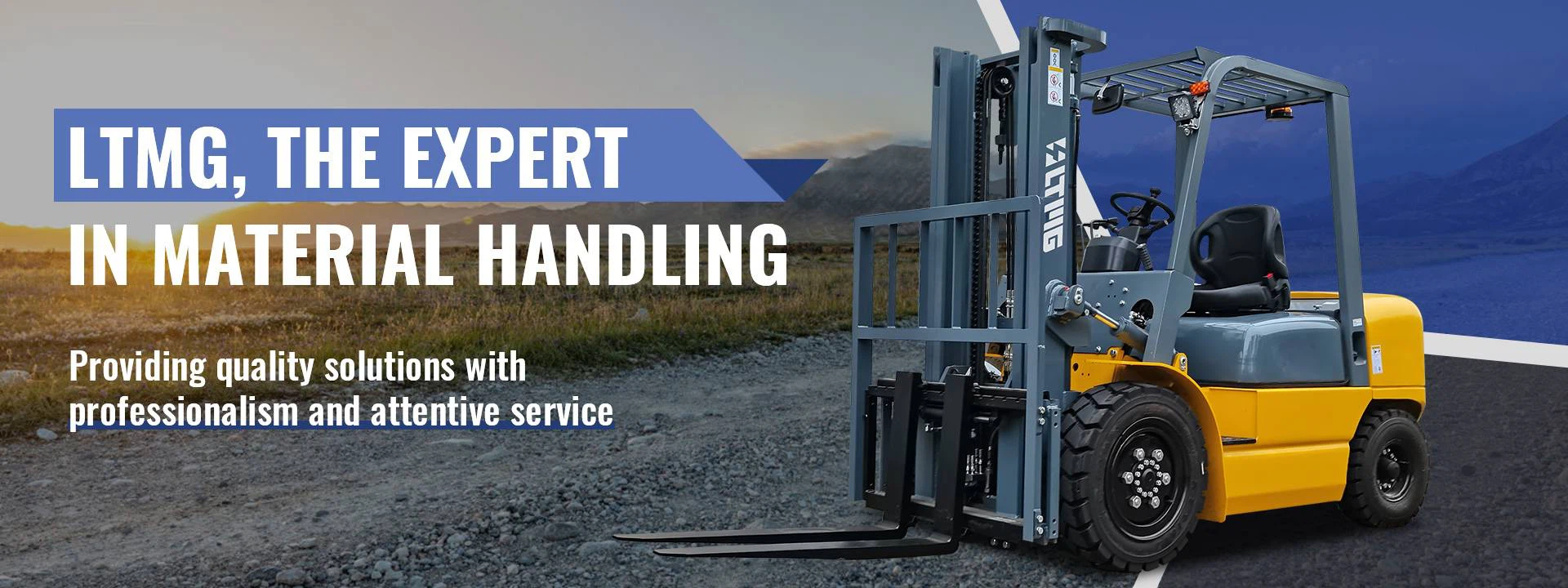
Selecting the right reach stacker requires balancing initial investment, yard layout constraints, and long-term operational efficiency. As a professional manufacturer of material handling equipment, LTMG provides heavy-duty container reach stackers designed for rigorous port environments. Our technical team works closely with terminal operators to offer tailored equipment selection, customized configurations, and global aftermarket support.
Planning a port equipment upgrade? Contact the LTMG engineering team today to get a customized consultation and detailed product quotation for your container handling operations.