A Deep Dive into Risks, Compliance, and Optimal Solutions
In the world of logistics, the diesel forklift is often celebrated as the "powerhouse" of outdoor operations due to its raw torque and refueling speed. However, as 2026 warehouse designs become more high-density and environmental regulations tighten, facility managers are facing a critical question: Is it actually permissible to bring a diesel unit indoors?
This is more than a technical query-it is a decision that impacts employee health, legal compliance, and long-term operational costs. Below, we break down the dimensions behind this pivotal choice.
1. The Core Controversy: Why "Diesel Indoors" is a Sensitive Topic
In the past, diesel units were common in semi-open loading docks. But in 2026, the industrial landscape has shifted fundamentally:
- Regulatory Scrutiny: Global bodies (such as OSHA and EU standards) have intensified Indoor Air Quality (IAQ) audits for industrial workspaces.
- Industry Standards: Sectors like food, pharmaceuticals, and precision electronics now maintain "zero-tolerance" policies for particulate contamination.
- ESG Pressures: Corporate carbon footprint reporting is now a prerequisite for participating in global supply chains.
2. The Invisible Threats: Diesel Emissions in Confined Spaces
A diesel forklift produces three primary pollutants that pose a significant threat in enclosed environments:
- Carbon Monoxide (CO): This colorless, odorless gas binds to hemoglobin significantly faster than oxygen. In a poorly ventilated warehouse, it can lead to dizziness, nausea, or even fatal poisoning.
- Nitrogen Oxides (NOx): These pungent gases irritate respiratory tracts and can react with indoor moisture to corrode sensitive electronics and high-value cargo.
- Particulate Matter (PM): Commonly seen as "black smoke," these micro-particles settle on racks, packaging, and products-a catastrophic outcome for food-grade storage.
- Expert Insight: Even modern Tier 4 or Stage V engines equipped with scrubbers cannot eliminate these risks. In high-density racking areas, "dead air zones" can cause localized concentrations of pollutants to exceed safe limits within minutes.
3. The Ventilation Trap: Is High-Volume Airflow Enough?
Many enterprises attempt to retain their diesel fleet by installing massive exhaust fans. However, this often leads to an "Economic Trap":
- CAPEX Costs: Industrial-grade ventilation systems capable of meeting safety compliance are expensive to install and maintain.
- Energy Loss: Frequent air exchange drastically increases HVAC costs, especially in temperature-controlled or cold-storage facilities.
- Monitoring Complexity: Air quality fluctuates based on workload intensity, requiring a network of sensors and real-time monitoring to stay compliant.
Conclusion: Unless your warehouse is a three-sided open structure with constant natural cross-flow, relying on ventilation to offset diesel exhaust is rarely cost-effective in the long run.
4. Where the Diesel Forklift Truly Belongs: Outdoor Dominance
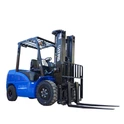
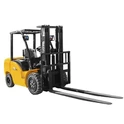
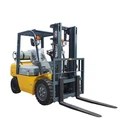
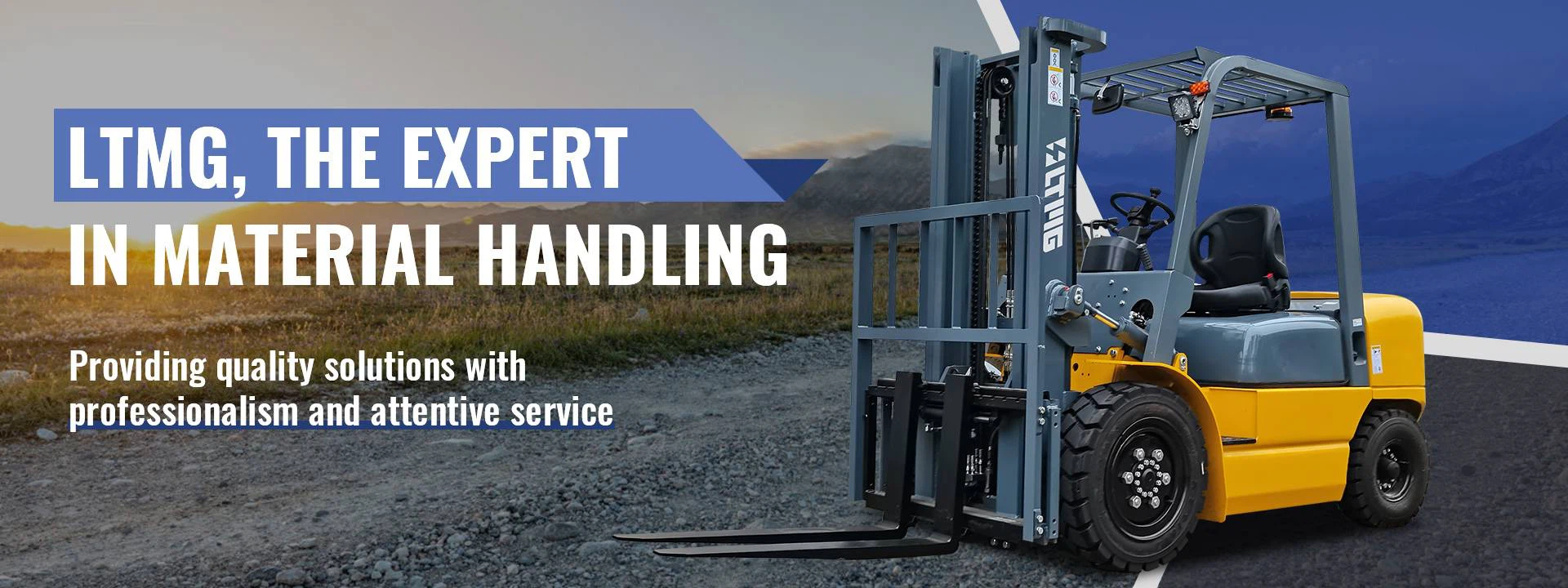
While indoor use is restricted, the diesel forklift remains an irreplaceable material handling solution for specific environments. Based on LTMG's global experience, diesel units are the gold standard for:
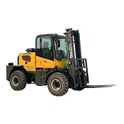
- Heavy-Duty Outdoor Sites: Port container handling, mining, and large-scale construction.
- Challenging Terrain: Muddy surfaces, steep gradients, and unpaved yards.
- Continuous Cycles: Operations that require immediate "refuel-and-go" capability without waiting for a charge.
LTMG Diesel Series emphasizes high torque and structural durability. If your workflow involves heavy lifting in open-air or highly ventilated environments, diesel remains the most efficient choice.
5. Optimal Indoor Alternatives for Modern Facilities
For those upgrading their warehouse equipment, two solutions have emerged as the strategic favorites:
5.1 Electric Forklifts: The Indoor Mainstay
With the maturation of Li-ion technology, the electric forklift now covers over 90% of traditional diesel indoor use cases.
- Zero Emissions & Silent Operation: Eliminates air quality risks and reduces noise pollution.
- Lower Maintenance: No engine oil, filters, or complex transmission servicing, reducing TCO by approximately 30%.
- Smart Integration: LTMG's new generation of electric units features integrated Battery Management Systems (BMS), ideal for high-frequency e-commerce fulfillment.
5.2 LPG (Liquid Propane Gas) Forklifts: The Flexible Middle Ground
LPG units offer lower emissions than diesel and don't require downtime for charging. They are a viable option for well-ventilated semi-indoor spaces, though they still require strict compliance regarding gas leak detection.
6. Procurement Decision Checklist
Before deciding to keep diesel units indoors, ask yourself these five questions:
- Is the space enclosed? (Consider ceiling height and door opening frequency).
- Is the cargo sensitive? (Food, medical supplies, or high-end electronics).
- What is the staff density? (Higher personnel counts increase health liability risks).
- Are local regulations tightening? (Risk of fines or forced shutdowns).
- Who wins on TCO? (Calculate energy, maintenance, and potential health insurance claims).
Conclusion: Shifting from Technical to Strategic Decisions
The question of "diesel indoors" is no longer just about horsepower; it is about risk management and corporate responsibility. In a modern indoor environment, transitioning to electric is not just an environmental trend-it is a calculated move to protect your employees and your bottom line.
Are you struggling to choose the right equipment for your warehouse layout? Contact the LTMG expert team today. We provide professional assessments and customized recommendations-including Li-ion and lead-acid warehouse equipment-tailored to your specific cargo and facility design.
Would you like me to prepare a cost-benefit analysis comparing a 3-ton diesel unit against a 3-ton lithium-electric unit for your 5-year budget planning?