I. Pre-Operation Inspection
1. Visual Inspection
- Tires: Check tire pressure, inspect for cracks, abnormal wear, or debris embedded in the tread.
- Forks: Ensure both forks are level and at the same height. Inspect the fork body for cracks, bending, or excessive wear.
- Mast & Chains: Verify that lifting chains have uniform tension with no loose links, structural deformation, or sticking during movement. Inspect the mast for bending or damage.
- Overhead Guard & Load Backrest: Confirm that the protective structures are intact, undamaged, and securely bolted.
- Operating Surface: Ensure the ground along the working path is free of oil stains, standing water, or hazardous debris.
- Seat & Safety Belt: Confirm the operator seat is securely locked in position and the seat belt latches properly.

2. Hydraulic System Inspection
Check that hydraulic oil levels are within the standard range. Inspect all hydraulic cylinders, hoses, and fittings for leaks, bulging, or surface abrasion. With the forks unloaded, test the lift and tilt cylinders to ensure smooth, quiet operation without abnormal noises or jerky movements.
3. Control System & Safety Feature Checks
- Brake System: Test both service brakes and the parking brake to ensure immediate and reliable response.
- Steering System: Verify that steering is responsive, smooth, and free of binding or excessive play.
- Lights & Warning Devices: Ensure headlights, tail lights, strobe warning lights, backup alarms, and horns are fully operational.
- Dashboard Indicators: Confirm there are no active error codes or warning lights on the instrument panel.
- Mirrors & Rearview Camera: Check that all mirrors and camera displays provide a clear, unobstructed view.
II. Safe Operating Practices
1. Maintain Load Balance
Center the load evenly across both forks, keeping within the rated capacity. Tilt the mast backward to stabilize the cargo, and keep the forks as low to the ground as possible while traveling. Most importantly, never raise or lower the forks while the forklift is in motion.
2. Drive at Safe Speeds
While speed is essential for operational efficiency in material handling, speeding drastically reduces reaction time and increases accident risks. Always maintain a speed that allows for a complete, safe stop within your visible clearance. Reduce speed significantly when navigating wet, icy, or uneven surfaces.
3. Pedestrian Interaction & Safety
Always slow down or stop completely when encountering pedestrians. Make direct eye contact or use hand signals to communicate your intentions before proceeding. Maintain a safe clearance distance from pedestrians at all times, especially when turning or negotiating intersections. Never carry passengers on a forklift unless the truck is specifically designed with an authorized passenger seat.
4. Maneuvering in Confined Spaces
Compact forklift designs allow for excellent agility in tight quarters, but navigating narrow aisles requires extreme caution. Always look in the direction of travel whether moving forward or reversing, utilizing mirrors and rearview cameras for visual assistance. Honk the horn and slow down when approaching blind corners, doorways, or intersections. (Need high-maneuverability equipment for tight warehouse spaces? Check out our range of electric warehouse stackers and reach trucks.
III. Common Forklift Accidents & Prevention Strategies
According to statistics from the U.S. Occupational Safety and Health Administration (OSHA), forklifts are involved in approximately 85 fatal accidents and 34,900 serious injury accidents every year. However, the vast majority of these incidents are entirely preventable through proper protocol.
1. Forklift Rollovers
Rollovers are the leading cause of forklift fatalities. Primary causes include sharp turns at high speeds, overloading or off-center loads, driving with elevated forks, turning on slopes, and operating on rough terrain.
To prevent rollovers, strictly control turning speeds, never travel with elevated loads, never turn on a ramp, and adhere strictly to rated load limits. If a tip-over occurs, do not attempt to jump out. Stay inside the cabin, fasten your seatbelt, grip the steering wheel tightly, brace your feet against the floorboard, and lean away from the point of impact so the overhead guard can protect you.
2. Pedestrian Collisions
Collisions often happen when an operator's forward vision is obstructed by bulky loads or when reversing without checking blind spots. Preventative measures include implementing designated pedestrian walkways, installing convex mirrors at blind intersections, equipping trucks with blue safety spotlights, and requiring drivers to honk and slow down at junction points.
3. Falling Cargo
Unstable stacking, unsecured loads, or sudden braking while carrying high lifts can cause cargo to fall, leading to severe equipment damage or personal injury. Always verify load stability before moving, use tie-down straps when necessary, and accelerate or brake smoothly to maintain cargo balance.
4. Dock & Trailer Falls
If a semi-trailer moves unexpectedly during loading or if dock boards fail, a forklift can drop off the edge of a loading bay. Before loading or unloading, ensure the trailer brakes are set, wheel chocks are firmly placed, dock boards are rated for the required weight capacity, and operators maintain a safe distance from platform edges.
IV. Operator Certification & Compliance Requirements
Operating a forklift requires rigorous training, formal evaluation, and valid certification before taking the wheel.
For example, under OSHA's Powered Industrial Truck Standard (29 CFR 1910.178) in the United States, employers must ensure operators are at least 18 years old, complete a combination of classroom instruction and practical driving training, and pass a formal evaluation. Employers must maintain training records including operator names and training dates, with mandatory performance evaluations conducted every three years to determine if refresher training is needed.
Regulatory requirements vary globally. For instance, operators in Mainland China must obtain a Special Equipment Operator Certificate (N1 Forklift License).

V. Location-Specific Safety Rules (Warehouse vs. Outdoor)
1. Indoor Warehouse Operations
Aisles & Racks: Keep main aisles unobstructed at all times. Drive at reduced speeds down the center of racking aisles to prevent collisions with uprights or stored goods. When picking or placing loads, align the forklift perpendicular (90 degrees) to the rack-never attempt angled lifts. Ensure stored items do not overhang rack edges to prevent falling hazards.
Blind Corners & Intersections: Install speed limit signs and clear stop lines in areas with obstructed views. Operators must come to a complete stop at doorways, corners, and cross-aisles, look both ways, and sound the horn before proceeding.
Battery Charging Zones: Lead-acid batteries release flammable hydrogen gas during charging. Keep charging areas strictly free from open flames and sparks, and ensure proper ventilation. Operators handling battery fluid must wear safety goggles and protective gloves, and eye-wash stations must be installed nearby.
2. Outdoor Operations
Ramp & Slope Driving: Always travel straight up or down slopes-never turn, reverse diagonally, or drive across an incline. When carrying a load, the cargo must point uphill (drive forward going up, reverse going down). When traveling unladen, the forks must point downhill (reverse going up, drive forward going down). Never coast downhill in neutral or with the engine off; maintain a low gear and rely on engine braking.
Rough & Variable Terrain: Reduce speed when operating on mud, gravel, potholes, or wet surfaces to prevent wheel spin or loss of control. Drive around obstacles when possible; if crossing an obstruction is unavoidable, approach it slowly at a perpendicular angle. Prior to operating on unpaved jobsites, assess soil stability and ground bearing capacity to prevent tipping. (For rugged construction sites, explore our heavy-duty rough terrain forklifts.
Severe Weather Conditions: In heavy rain, snow, dense fog, or high winds (over Beaufort force 6), reduce driving speeds and switch on headlights and strobe lights. If visibility is severely compromised or surfaces are icy, suspend outdoor forklift operations. Clean snow, ice, and mud off wheels and operational paths after severe weather to maintain braking efficiency.
Container & Trailer Loading Areas: Before entering a truck bed, trailer, or container, verify that the transport vehicle's engine is off, parking brakes are engaged, and wheel chocks are securely set under the tires. Establish clear warning signs and safety perimeters around loading docks to keep unauthorized personnel out, and maintain a safe margin from dock edges.

Frequently Asked Questions
Q: Do I need a license or certification to operate a forklift?
A: Yes. Operating a forklift is classified as specialized equipment operation. Operators must complete formal technical training and hold valid certification required by local regulations (such as an OSHA certification card in the US, an N1 certificate in China, or regional equivalent credentials). Uncertified operation is strictly prohibited.
Q: What is the most common cause of forklift rollovers?
A: The primary causes of rollovers include overloading or unbalanced loads, sharp turning at high speeds, traveling or steering with an elevated load, and turning on inclines or slopes. Uneven, muddy, or slick ground conditions also significantly increase tip-over risks.
Looking for Safe, Dependable Material Handling Solutions?
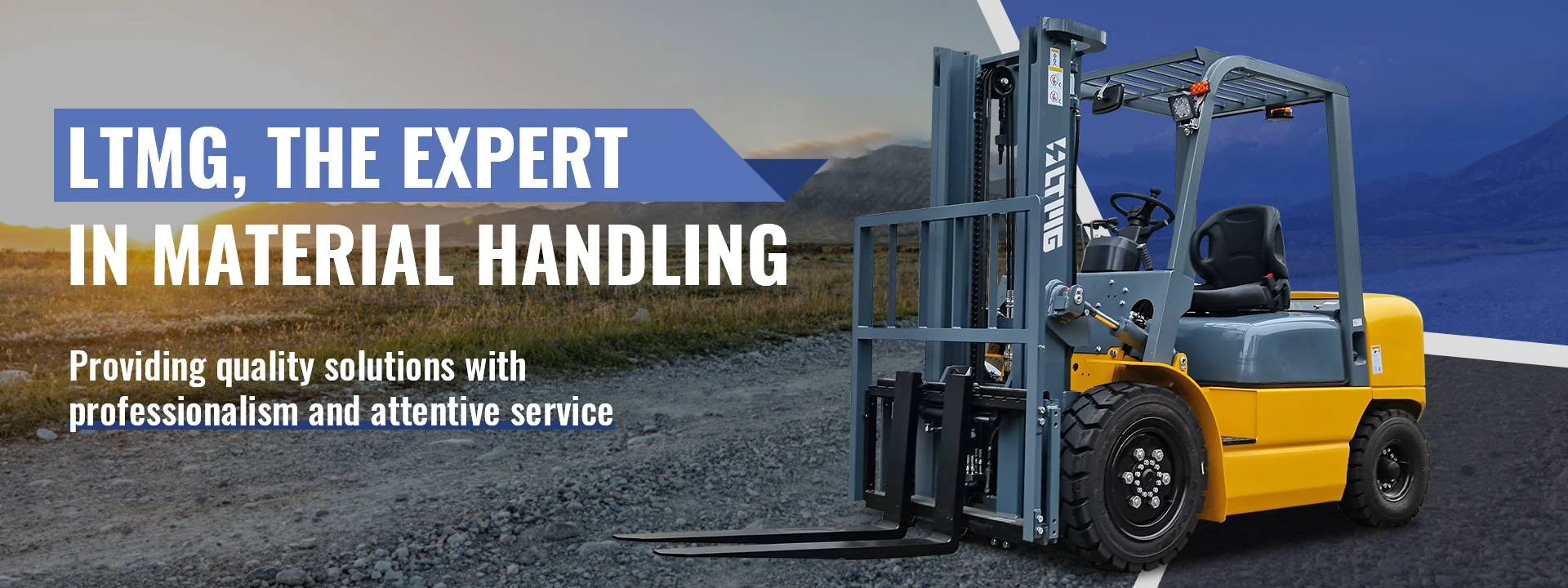
At LTMG, safety is engineered into every detail of our machinery. From ergonomic cabins and high-visibility masts to ultra-stable chassis designs, our full lineup of diesel, electric, and LPG forklifts is built to comply with rigorous international safety standards while maximizing daily operational throughput.
Backed by our dedicated engineering team, we provide customized equipment solutions, comprehensive maintenance guides, and 24/7 technical support worldwide.
Contact the LTMG expert team today to get your tailored material handling proposal!