Introduction: From Energy Transition to Intelligent Transformation
As the global supply chain undergoes a structural upgrade in 2026, the convergence of carbon neutrality goals, fluctuating energy costs, and the pursuit of peak labor efficiency is driving a profound shift in warehouse equipment.
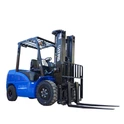
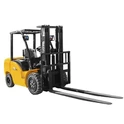
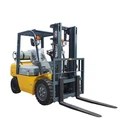
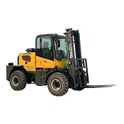
While traditional internal combustion (IC) models still hold ground in specific heavy-duty outdoor applications, electrification has become the standard for modern indoor storage. As a global leader in material handling, LTMG (LTMG Machinery) is at the forefront of this transition, helping enterprises reduce costs through high-performance electric solutions. This guide analyzes the core value of the electric forklift and the strategic trends shaping the industry.
1. The Electric Forklift: The Pulse of Modern Warehousing
1.1 Environmental Quality & Operator Well-being
The most immediate advantage of an electric forklift is zero emissions-a non-negotiable requirement for food, pharmaceuticals, e-commerce fulfillment, and cold chain sectors. Beyond air quality, the low-noise and low-vibration design of the LTMG lithium-ion series significantly reduces operator fatigue. In high-density urban logistics hubs, these "environmentally friendly" machines are now a prerequisite for meeting ESG (Environmental, Social, and Governance) standards.
1.2 Long-term TCO (Total Cost of Ownership) Optimization
While the initial CAPEX (Capital Expenditure) might be higher than diesel alternatives, the long-term economics of electric power are far superior:
Energy Efficiency: Electricity costs remain more stable and significantly lower than fossil fuels per hour of operation.
Simplified Maintenance: With fewer moving parts and no complex engines or transmissions to service, maintenance intervals are longer and less expensive.
Lithium-Ion Breakthroughs: 2026 battery technology supports "opportunity charging" (plugging in during breaks), allowing for continuous 24/7 multi-shift operations without the need for battery swapping.
1.3 Maximizing Space & Enhancing Safety
Thanks to compact chassis designs, the modern electric forklift typically offers a tighter turning radius. This allows machines to navigate Narrow Aisles (NA) and Very Narrow Aisles (VNA) with ease, directly increasing a warehouse's storage density. Furthermore, integrated electronic control systems provide features like automatic braking, cornering speed reduction, and stability control, mitigating the risk of human error.
1.4 The Foundation for Digital Integration
Electric platforms are the natural "host" for digital ecosystems. By integrating with Warehouse Management Systems (WMS) and fleet management platforms, the forklift becomes a data node. Managers can monitor battery health, operational hours, and precise location in real-time, enabling predictive maintenance and reducing unplanned downtime.
2. Structural Trends in the Global Forklift Market
- Lithium Power Dominance: Lithium-ion (Li-ion) has officially unseated lead-acid as the primary power source. Its fast-charging capabilities and maintenance-free nature have eliminated the flexibility gaps that previously limited electric equipment in heavy-duty cycles.
- The Synergy of Automation & Electrification: Electric drivetrains provide the stable energy foundation required for AGVs (Automated Guided Vehicles) and autonomous forklifts. In Tier-1 logistics centers, we are seeing a shift from manual handling to "Energy Electric + Operation Autonomous" systems.
- Global Green Consensus: From strict carbon footprint audits in Europe to the demand for high-efficiency infrastructure in emerging markets, sustainable warehouse equipment is no longer a luxury-it is a global baseline for procurement.
3. Strategic Procurement: Key Considerations for Upgrading
For businesses planning a fleet upgrade, LTMG recommends a systematic evaluation based on these four pillars:
- Application Matching: Evaluate your rack heights and aisle widths to match the correct mast height and turning radius.
- Load Capacity & Stability: Ensure the rated capacity accounts for high-level lifting residuals to maintain a safety buffer.
- Life-cycle ROI: Balance the purchase price against energy savings and maintenance. LTMG's high-ROI solutions are engineered to shorten the payback period for fleet owners.
- Global Support Network: A machine is only as reliable as its support. LTMG has established a worldwide service network to ensure that spare parts and technical assistance are available whenever and wherever they are needed.
Conclusion: Electrification as a Competitive Edge
In 2026, the electric forklift is more than just a "green" alternative; it is the cornerstone of warehouse throughput and operational resilience. As experts in global material handling, we provide the technology and reliability to empower your transition.
Ready to customize your warehouse fleet?
Whether you manage a boutique facility or a global distribution network, our experts can provide a cost-effective electrification roadmap tailored to your specific environment. Contact us today to start your journey toward a smarter, more efficient warehouse.
Would you like me to create a comparison table between different LTMG electric models (e.g., 3-wheel vs. 4-wheel) to help your clients visualize their options?