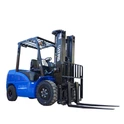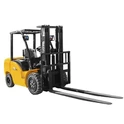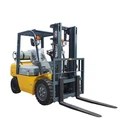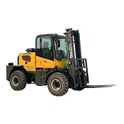
In the landscape of 2026 global trade, warehouses are no longer just storage nodes-they are the pulse of supply chain velocity. As the "heart" of any facility, warehouse forklift reliability directly dictates throughput rates. With the global deepening of green energy policies, electrification has transitioned from an option to a strategic necessity for the modern warehouse equipment fleet.
1. The Forklift: Powering the Global High-Efficiency Warehouse
1.1 Global Adoption Trends
As logistics demand continues to surge, the forklift has become ubiquitous, from micro-fulfillment centers to massive automated logistics parks.
The Electrification Wave: In 2026, the penetration of electric models has skyrocketed. This shift is driven not only by environmental mandates but by significantly lower maintenance costs and compatibility with smart warehouse management systems (WMS).
A Strategic Asset: Beyond simple moving, these machines are critical for maximizing vertical space (narrow-aisle stacking) and ensuring operational safety.
1.2 The Challenge of Global Adaptability
Warehouse environments vary drastically, from sub-zero cold chain facilities to high-humidity tropical ports. A warehouse forklift must remain stable under high-frequency, multi-scenario, and complex conditions. Equipment downtime often results in a "domino effect" of losses that far exceed the machine's initial purchase price.
2. Core Selection Criteria: Defining a "Reliable" Forklift
Before selecting a brand, procurement managers must evaluate "reliability" through four fundamental dimensions.
| Evaluation Metric | Key Focus Areas | Expert Advice |
| Basic Reliability | Motor stability, Li-ion battery cycles, chassis rigidity. | Prioritize brands with in-house R&D for core components. |
| Scenario Fit | Turning radius, gradeability, IP (Dust/Water) ratings. | Match the machine to your most extreme operational demands. |
| Total Cost of Ownership (TCO) | Purchase price + 5-year energy use + downtime risks. | Electric models typically offer 30%-50% lower long-term costs than ICE. |
| Safety & Intelligence | Stability systems (SAS), collision avoidance, and remote diagnostics. | In high-density hubs, safety features should outweigh price. |
3. Tiered Recommendations: The World's Most Reliable Forklift Brands
3.1 Tier 1: Global Leaders (Best for High-Standard Facilities)
- Toyota: The gold standard for durability. Toyota has led global sales for decades. Their System of Active Stability (SAS) significantly reduces tip-over risks, making them the top choice for high-intensity, multi-shift operations.
- Linde: The pinnacle of German precision. Part of the KION Group, Linde focuses on premium material handling solutions. Their hydrostatic drive and dual-pedal control allow for centimeter-perfect positioning, ideal for high-rack food and pharma storage.
- Hangcha: The vanguard of "Intelligent Manufacturing." As a top exporter, Hangcha offers exceptional battery sealing and mature fleet management software, providing a high-performance/price ratio for e-commerce hubs.
3.2 Tier 2: Cost-Performance & Market Specialists
- Mitsubishi Logisnext: Renowned for being "rugged and simple." They hold a massive market share in the mid-market segment due to ease of maintenance.
- Heli: A long-standing powerhouse. Heli is the go-to for small-to-medium logistics parks seeking a quick Return on Investment (ROI) and easy access to global spare parts.
- Clark: The "inventor of the forklift." Clark's robust builds are perfect for foundational warehouse tasks in North American and African markets.
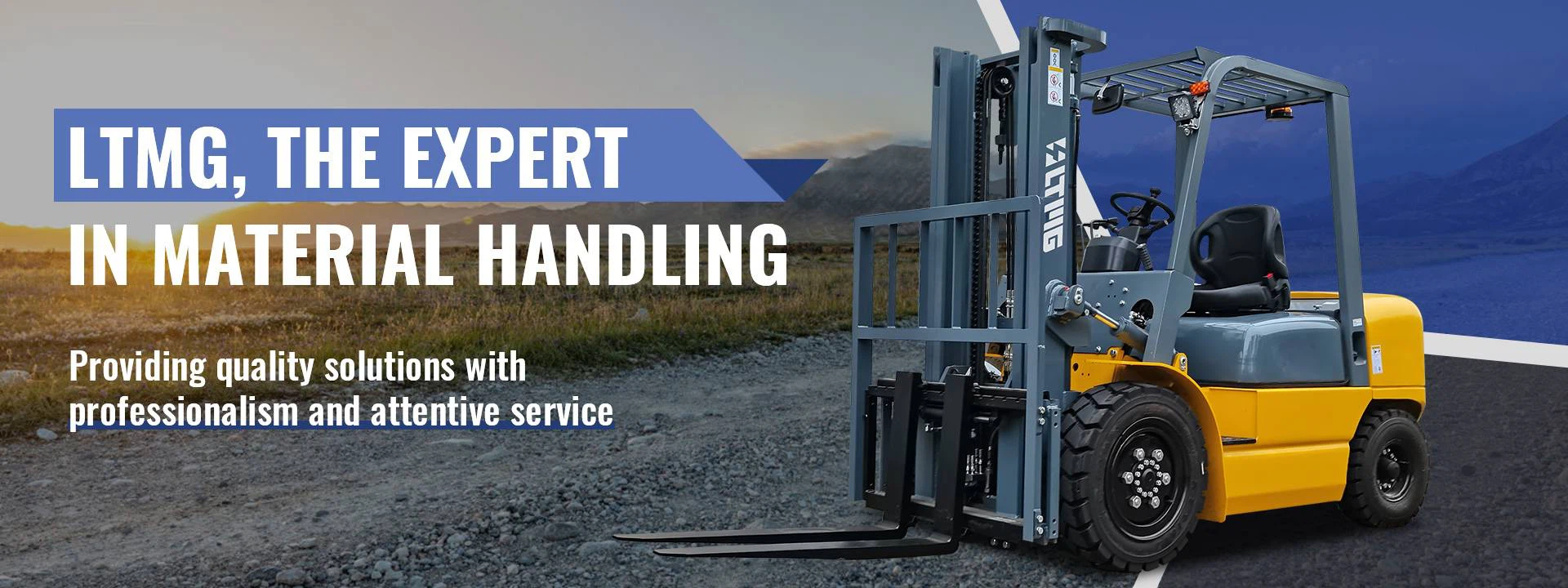
- LTMG: The rising "dark horse" for SMEs. LTMG has optimized its equipment specifically for global clients who need strict material selection and fast after-sales response. They are an excellent choice for businesses with strict initial budgets that refuse to compromise on stability.
3.3 Tier 3: Specialized & Eco-Pioneers
- Hyster & Yale: American-born brands specializing in heavy-duty and rugged industrial warehouse environments.
- BYD: The leader in Iron-Phosphate battery technology. For cold-chain warehouses or facilities requiring "charge-and-go" flexibility, BYD's rapid charging and low-temperature performance are unmatched.
4. Procurement Pitfalls: Buying Smart and Managing Better
4.1 Four Common Traps to Avoid
- Chasing the Lowest Price: Savings on a "no-name" forklift in year one are usually lost in year two due to long lead times for parts and high downtime costs.
- Ignoring Local Service: A brand is only as good as its nearest service center. If there is no local support, the machine is essentially "disposable."
- Redundant Specs: Don't over-spec. Excessive power or unnecessary attachments increase energy consumption and often expand the turning radius.
- Environmental Mismatch: Using a standard lead-acid forklift in a cold storage unit can reduce battery life by over 40%.
4.2 The Scientific Selection Process
Step 1: Audit your warehouse (aisle width, rack height, floor levelness, and cycle frequency).
Step 2: Match your budget to the appropriate brand tier.
Step 3: Evaluate the supplier's spare parts turnover rate and technical support response time.
5. Conclusion
Reliability is the intersection of Equipment Performance, Environmental Fit, and After-Sales Security.
- High-Volume/High-Standard Hubs: Choose Toyota, Linde, or Hangcha for maximum stability.
- SMEs/ROI-Focused Parks: Opt for Heli, LTMG, or Clark for economic efficiency.
- Specialized Needs: Consider BYD (Cold Chain/Green Energy) or Hyster (Heavy Duty).
What is the scale of your current warehouse operation?
If you are struggling to find the perfect balance between budget and performance, contact us today. We will help you customize a warehouse equipment solution designed to take your operational efficiency to new heights.