I. Market Trend Evolution: Green Productivity is Becoming the Mainstream

Global energy price fluctuations have a direct and profound impact on manufacturing, with volatile maintenance costs hitting corporate profitability. Meanwhile, tightening emission standards and environmental regulations worldwide make green energy efficiency an unavoidable path forward. The most direct strategy is equipping production lines with eco-friendly machinery-leveraging a low-energy, zero-emission electric forklift fleet to slash long-term operational costs and shield production from energy market volatility.
In today's carbon-neutral era, enterprises evaluating material handling equipment look far beyond just lift height and load capacity; they demand a superior total return on investment (ROI). As the global shift toward electrification accelerates, the technological depth of a battery forklift in terms of intelligence, safety, and energy efficiency is increasingly becoming the hallmark of modern industrial competitiveness.
II. Core Technological Dimensions for Selection
Choosing a high-performance electric forklift requires a comprehensive evaluation across the following six technical dimensions:

Energy-Saving Tech & Operational Costs
Top-tier models typically feature AC control systems that convert kinetic energy into electricity during braking and lowering, regenerating power back into the lithium forklift batteries. Compared to traditional setups, a single battery cycle can be extended by up to 15%, significantly lowering electricity expenses.
Intelligent Monitoring & Management
A fork-mounted camera coupled with a CAN-bus control system delivers real-time feedback on motor and forklift performance. This visualizes the material handling process, eliminates driver blind spots, and advances digital logistics management.
Comprehensive Safety Systems
An Operator Presence Sensing (OPS) system instantly cuts off travel and hydraulic functions when the operator leaves the seat. Working alongside an intelligent LCD dashboard, it anticipates potential risks and prevents operational errors to protect personnel.
Ergonomics & Human-Machine Interface (HMI)
Ergonomic design directly impacts productivity. Floating suspension seats, open anti-slip pedals, and pilot control levers reduce driver fatigue, ensuring high precision even during intense, extended shifts.
Durability & Reliability
Premium electric models often retain the heavy-duty cast steel steering axles and wide-base tires of internal combustion (IC) forklifts. This legacy design ensures robust chassis rigidity while maximizing parts commonality for easier, hassle-free maintenance down the line.
Maintenance Convenience
User-friendly details make daily upkeep seamless. Features like wide-angle battery cover openings and easily removable side panels drastically cut routine inspection times, making component servicing effortless.
III. Optimal Solutions for Different Working Conditions

|
Working Condition |
Core Challenges & Pain Points |
Optimal Equipment Solution |
|
Warehousing & Logistics |
Balancing aisle width with space utilization; ensuring continuous uptime during high-frequency, multi-shift operations. |
A compact, zero-emission lithium ion forklift that eliminates exhaust and noise, boosting comfort and storage density in narrow-aisle environments. |
|
Ports & Terminals |
Heavy loads; corrosive, high-humidity, and high-salt-spray marine environments. |
High-capacity electric trucks featuring a high ingress protection (IP) rating and robust chassis stability to prevent environmental corrosion. |
|
Cold Storage |
Sub-zero temperatures reduce battery activity and accelerate wear on metal parts. |
A specialized Lithium Forklift equipped with self-heating battery systems to guarantee efficient discharge and uninterrupted power in extreme cold. |
IV. Core Focus: Outstanding Advantages of High-Voltage Lithium Forklifts
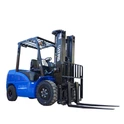
If you are looking for a powerful alternative to diesel trucks, a High-Voltage Lithium Forklift is undoubtedly your best choice.

IC-Level Power & Performance:
Unlike traditional 48V or 80V electric models, a High-Voltage Lithium Forklift utilizes an industrial-grade high-voltage system. This drastically reduces line current loss, delivering responsiveness and climbing capabilities that match same-tonnage diesel variants for heavy-duty applications.
Flash Charging, Zero Range Anxiety:
Conventional lead-acid batteries require 8 to 10 hours to fully charge. In contrast, advanced lithium ion batteries for forklifts support opportunity charging. Operators can plug in during shift breaks or rest periods, ensuring the truck easily covers 8 hours of continuous, intensive work without downtime.


Wide Temperature Window:
Built-in thermal management systems enable these machines to operate stably in extreme environments ranging from -30°C to 60°C. This solves the classic headaches of winter capacity drops and summer overheating, maintaining peak efficiency from polar cold stores to scorching desert sands.
Exceptional Ground Clearance & Gradeability:
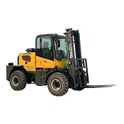
With a 140mm ground clearance and a 20% gradeability, this type of truck is no longer confined to flat indoor floors. It shatters the terrain limitations of traditional electric models, eliminating the need for frequent vehicle swaps during indoor-outdoor transitions.

V. Daily Maintenance Tips for Electric Forklifts
While a Battery Forklift incurs significantly lower maintenance costs than an IC counterpart, consistent care remains vital to maximizing service life.
Battery Care
Avoid deep discharges; recharging when the battery drops to 20%–30% helps extend its life cycle. Regularly inspect connectors for wear to prevent localized overheating or potential short circuits caused by poor contact.
01
Hydraulic Health
Periodically check hydraulic oil cleanliness. If the oil turns black or milky, impurities or moisture have penetrated, requiring an immediate fluid change. Inspect seals on cylinders and pipe joints for leaks to avoid strain on the motor. Clean off dust promptly after working in high-debris environments to stop particles from infiltrating the valve block.
02
Structural Inspections
Apply lubricant regularly to the mast and chains to ensure smooth lifting and minimize structural wear. Check tires for embedded debris or uneven wear to guarantee safety under heavy loads.
03
Smart Self-Diagnostics
Utilize the integrated CAN-bus diagnostics to monitor motor speed, temperature, and controller status in real time. Responding immediately to digital fault codes helps technicians pinpoint issues rapidly, drastically cutting downtime.
04
VI. Conclusion
In the evolving landscape of logistics and material handling, relying solely on "raw horsepower" or "rock-bottom pricing" is no longer enough. The strategic combination of energy savings, smart technology, safety, and ultimate reliability is what truly drives corporate efficiency.
If you are looking for a tailored material handling solution, contact our team today to get the latest electric forklift quotes and energy optimization recommendations!