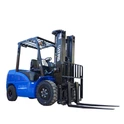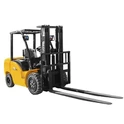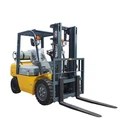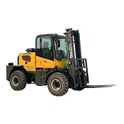
For businesses operating in logistics, warehousing, ports, and heavy manufacturing, diesel forklifts are the beating heart of daily supply chain operations. However, fleet managers often overlook systematic maintenance post-purchase. This leads to frequent unexpected breakdowns, expanded downtime, and steep emergency repair costs.
A properly maintained diesel forklift offers years of extended service life and significantly lower failure rates. This comprehensive guide details the key benefits, maintenance schedules, actionable inspection steps, common maintenance mistakes to avoid, and the strategic value of factory-backed professional support.

1. Key Benefits of Preventive Diesel Forklift Maintenance
Diesel forklifts operate under severe conditions-from non-stop indoor material handling to heavy-duty outdoor loading in port yards. Engine, hydraulic, and drive systems face continuous mechanical stress. Systematic maintenance yields critical advantages:
- Enhanced Operational Safety: Early detection prevents catastrophic brake failures, hydraulic leaks, and severe tire degradation, safeguarding on-site personnel.
- Minimized Unplanned Downtime: Mid-shift breakdowns disrupt production, leading to missed delivery schedules and client dissatisfaction. Preventive maintenance fixes issues before they cause failure.
- Extended Equipment Lifespan: Replacing engine oil, filters, and coolant on schedule prevents premature component wear and maximizes initial return on investment (ROI).
- Controlled Operational Costs (TCO): Scheduled servicing costs substantially less than emergency overhauls combined with productivity losses.
- Emissions Compliance & Fuel Economy: Proper care of exhaust aftertreatment systems (DPF, SCR) ensures compliance with Stage V and EPA Tier 4 standards while maintaining optimal fuel consumption.
2. Calculating Your Forklift Maintenance Schedule
Calculating servicing intervals requires balancing operating hours with environmental severity.
|
Service Tier |
Operating Hours / Interval |
Key Maintenance Tasks |
|
Daily Inspection |
Every 8–10 Hours (Pre/Post-Shift) |
Check oil, coolant, hydraulic fluid, tire pressure/wear, brake responsiveness, lights, and safety horn. |
|
Monthly Service |
Every 200–250 Hours |
Replace engine oil and oil filter; inspect air filter and battery terminal connections. |
|
Periodic Overhaul |
Quarterly / Bi-Annual / Annual |
Flush cooling system, change transmission fluid, and conduct structural chassis and mast inspections. |
3. Comprehensive Diesel Forklift Inspection Steps
Systematic maintenance covers five core mechanical systems to keep the equipment running at peak performance:
- Engine System: Monitor and replace oil and oil filters. Inspect air filters for dust clogging. Check coolant levels/concentration, and verify drive belt tension.
- Hydraulic System: Check hydraulic oil level and cleanliness. Inspect hoses and fittings for fluid leaks. Test lifting, tilting, and side-shift responsiveness.
- Drive & Braking System: Inspect transmission oil, monitor brake pad wear, check brake fluid levels, and test parking brake engagement.
- Electrical System: Measure battery voltage, clear terminal corrosion, and confirm proper functioning of warning lights and indicators.
- Tires & Load Forks: Check solid/pneumatic tire wear for cracks or chunks. Inspect forks for cracks, bending, or excessive heel wear.
Operational Tip: Implement a standard pre-shift checklist. Daily tracking ensures operators catch structural and fluid anomalies before starting a shift.
4. Common Forklift Maintenance Mistakes to Avoid
Avoiding operational pitfalls is essential for long-term fleet management:
- Neglecting Daily Pre-Shift Checks: Relying solely on major annual services while skipping daily checks allows minor fluid drops and tire wear to accumulate into major failures.
- Using Non-OEM Parts: Substandard filters and inferior oils increase component friction, leading to engine wear and higher long-term repair costs.
- Incomplete Maintenance Logs: Missing service histories complicates troubleshooting and degrades machine resale value.
- Ignoring Early Warning Signs: Disregarding minor noises or slow hydraulic response often leads to complete system overhauls.
- Unqualified Personnel: Improper handling of complex hydraulic and electronic controls by untrained technicians causes secondary damage.
- Disregarding Environmental Factors: High-dust, high-humidity, or extreme-temperature environments require shortened maintenance cycles rather than standard schedules.
5. The Value of Factory-Backed Professional Maintenance
While in-house servicing handles daily checks, partner support from specialized forklift manufacturers ensures optimal fleet health:
- Technical Expertise: Specialized engineers diagnose complex issues accurately, preventing guesswork and rework.
- Genuine OEM Spare Parts: Official components ensure structural integrity, exact fitment, and system longevity.
- Customized Maintenance Programs: Service teams design tailor-made service schedules based on real-time operational workloads.
- Predictable Budgeting: Fixed maintenance agreements eliminate sudden financial spikes caused by emergency breakdowns.
Partner with LTMG Machinery
The reliability of your diesel forklifts directly determines your operational throughput and workplace safety. Implementing a disciplined service plan protects your long-term equipment investment.
Whether expanding your fleet or seeking technical support, LTMG Group delivers end-to-end solutions-from heavy-duty equipment selection to custom OEM maintenance support.