Container handling equipment is the backbone of port terminals, container yards, and logistics operations. With global trade volumes rising, choosing the right container handling solution directly impacts efficiency, safety, and long-term costs. This article explores the three main categories of container handling machines-reachstackers, container stackers, and heavy-duty forklifts/side loaders-and provides practical guidance to help businesses select the best fit for their operational needs.

Identifying Your Operational Needs
Before investing in equipment, evaluate your operational profile:
- Container types & sizes: Standard 20', 40', reefers, or specialized containers.
- Throughput volume: Low-frequency, medium-volume, or heavy-duty.
- Operating environment: Port terminals, container yards, rail terminals, or warehouses.
- Infrastructure: Ground load capacity, aisle width, and height restrictions.
These factors determine which container handling equipment suits your business best.
Common Equipment Types (Three Main Categories)
1. Reachstackers
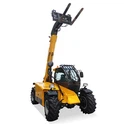
Reachstackers are among the most versatile container handling machines. They can load, unload, and stack containers quickly, even in tight spaces. Ideal for mid-sized yards, they are the go-to choice when frequent container movement and repositioning are required.
2. Container Stackers
Container stackers are designed for high-density stacking in large yards. With superior lifting capacity and stacking height, they maximize space utilization and ensure safe and efficient operations in high-throughput environments such as major ports and container hubs.
Housing introduction
Create a comprehensive solution for efficient human theft manag

Diesel Container Handler
Featuring an imported, renowned brand steering axle, our Empty Container Handler employs a flexible connection between the steering axle and the chassis.

Electric Contaciner Handler
Electric Container Handler: This powerful equipment is designed to handle empty containers with ease, increasing productivity and efficiency in your operations.
3. Heavy-duty Forklifts & Side Loaders
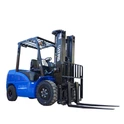
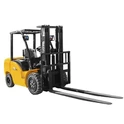
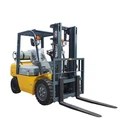
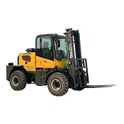
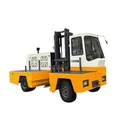
Best suited for low-frequency or specialized operations, these machines handle short-distance moves, non-standard containers, or warehouse support tasks. They are cost-effective, easy to operate, and particularly valuable for small and medium-sized businesses.

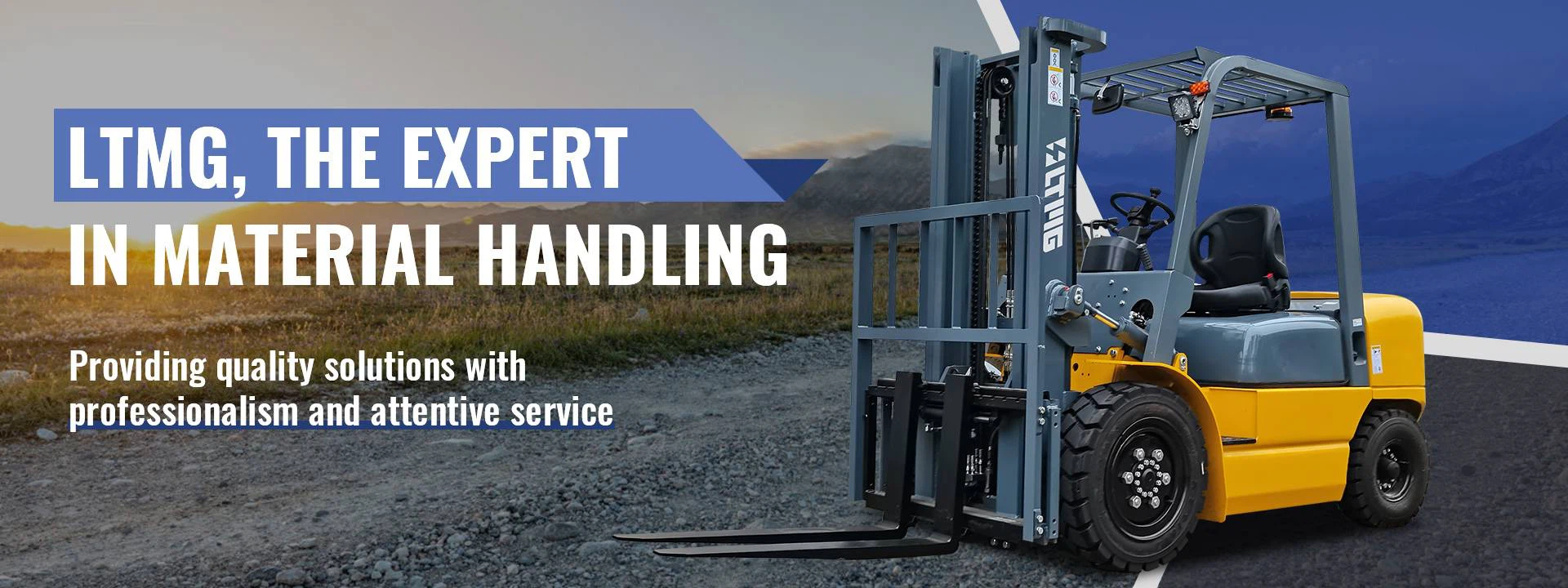
Heavy Duty forklift

Side Loader Forklift
Key Selection Criteria
- When choosing container handling equipment, consider:
- Lifting capacity & stacking height.
- Operational speed & cycle efficiency.
- Manoeuvrability & site adaptability.
- Power source (diesel, electric, hybrid) & operating costs.
- Operator safety & ergonomics.
- After-sales service, spare parts, and total cost of ownership (TCO)
Matching Equipment to Business Scenarios
- Small-scale or low-frequency operations: Heavy-duty forklifts or side loaders.
- Medium throughput and flexible yards: Reachstackers.
- High-volume and dense stacking environments: Container stackers
Decision-Making Approach
- Cost-benefit analysis: Evaluate purchase price, fuel/electricity, training, and maintenance
- Field testing: Pilot equipment in real operating conditions
- TCO evaluation: Focus on long-term ROI, not just initial cost
Safety & Compliance
- Safety must remain the top priority:
- Ensure compliance with international and local safety standards.
- Look for features such as overload alarms, emergency brakes, and camera systems.
- Train and certify operators specifically for the chosen equipment type.
Sustainability & Future-Proofing
- Electric and hybrid solutions are rapidly gaining ground due to environmental and cost considerations.
- Digitalization and automation-including telematics, remote monitoring, and smart scheduling-are shaping the future of container handling.
- Businesses should plan for upgrade paths and flexibility to adapt to evolving demands.

Conclusion
The right container handling equipment is more than a tool-it's a strategic investment in efficiency, safety, and long-term competitiveness. By aligning operational needs with the right equipment type and factoring in cost, compliance, and sustainability, businesses can ensure resilient and profitable container operations.